Overview of Classic Cataclysm Tailoring
Tailoring in Cataclysm Classic offers unique patterns that boost gear quality. Players gather silk, linen, and rare cindercloth to craft armor, bags, and enchantments. Efficient leveling hinges on balancing resource gathering with high‑yield recipes, ensuring steady progression. daily!?
Role of Tailoring in WoW Economy
Tailoring is a cornerstone of the in‑game economy, especially in Cataclysm Classic. The profession’s unique output—bags, cloaks, and armor—creates a steady demand among all classes. Because many high‑level items require tailoring components, players often sell or trade these goods for gold or other resources. The guild market for rare materials like cindercloth and runecloth remains robust, with vendors offering premium prices for bulk purchases. Additionally, the ability to craft enchantment scrolls and special bags gives tailors an edge in both PvE and PvP content, allowing them to monetize their expertise. The profession’s reliance on gathering silk, linen, and other fibers also supports the broader gathering economy, as hunters, miners, and woodcutters benefit from the steady need for raw materials. In short, tailoring is not just a crafting skill; it is a vital economic engine that fuels trade, supports other professions, and provides players with a reliable source of income.
Tailors benefit from crafting high‑value items like the Dreamweaver’s Cloak or Shadowcraft Bag, which fetch premium prices on the auction house. These items boost a tailor’s income, especially during major events. Additionally, custom bags increase inventory capacity, letting players carry more gear and sell more items per trip. This synergy makes tailoring a profitable profession for dedicated players.
Tailors thrive.
Core Tailoring Races and Professions
In Cataclysm Classic, tailoring is accessible to all playable races, but certain factions gain early advantages through racial bonuses and class synergy. Humans and Dwarves benefit from the “Tailoring” skill cap increase, allowing them to reach higher levels faster. Night Elves receive a bonus to silk harvesting, which directly feeds tailoring recipes. Moreover, the “Tailor” class specialization for Priests and Warlocks unlocks unique patterns that are otherwise unavailable, making them highly sought after for both gear and economy.
Professionally, tailors often pair with gatherers such as Hunters or Mages. Hunters can secure silk and linen through hunting packs, while Mages can use their “Arcane” talent to reduce the cost of certain patterns. The synergy between professions is crucial: a hunter’s silk can be turned into a bag that a mage uses to carry more spell components, creating a closed‑loop economy. Guilds frequently assign tailors as the primary fabricator for raid gear, ensuring that all members have the best possible armor and bags for their roles.
Ultimately, the success of a tailoring operation hinges on selecting the right race, leveraging class abilities, and coordinating with other gathering professions. This integrated approach maximizes resource efficiency and ensures a steady stream of high‑value items for both the player and the broader marketplace. Tailors partner with mages for endnew enchantments.
Key Tailoring Materials and Their Sources
Silk, linen, and wool are staples, harvested from spiders, farms, and beasts. Rare cindercloth drops from high‑level mobs, while runecloth is found in caves of the Eastern Kingdoms. Dreamcloth darkmoon thread offer unique enchantments!
Basic Materials (Silk, Linen, Wools)
Silk, linen, and wool form the backbone of every tailoring endeavor in Cataclysm Classic; Linen is the most accessible, dropped by low‑level beasts such as chickens, goats, and rabbits found in the early zones of Stormwind, Ironforge, and Durotar. Players can also acquire linen by purchasing from vendors in major cities or by harvesting it from the farms in the Eastern Kingdoms. Silk is a step up in quality and is primarily obtained from spiders and other arachnids in the deeper dungeons and caves, especially in the Cataclysm‑altered zones like Ashenvale and the Badlands. The most common silk sources include the spiders in the Cursed Grounds, Blackrock Depths, and Blasted Lands. Wool is a versatile material that can be gathered from various beasts such as sheep, goats, and bears, and it is also found in the wild in the northern zones of the Eastern Kingdoms. Wool is used in many early recipes, combining with linen or silk to produce bags, staves, and other useful items. Each material has unique properties; silk is higher quality than linen and yields better items, while wool offers flexibility but less value. Master tailors recommend stocking these materials for steady progression. Daily gathering! Keep.!
Rare Materials (Cindercloth, Runecloth)
Cindercloth and runecloth are the premium fabrics that elevate tailoring to a new level in Cataclysm Classic. Cindercloth is harvested from the ash‑laden mobs that roam the Cataclysm‑altered zones such as the Blasted Lands, the Burning Steppes, and the Blackrock Depths. The cloth drops from the black‑skinned creatures that thrive in these fiery environments, and it can also be purchased from certain vendors in major cities for a modest fee. Runecloth, on the other hand, is the product of the deep, ancient magic that permeates the world. It is primarily obtained from the undead and shadow‑infused enemies found in the Cataclysm‑affected dungeons, notably the Shadowfang Keep, the Blackrock Spire, and the Tirisfal Glades. Runecloth can also be crafted by combining cindercloth with other rare materials, allowing tailors to create powerful items such as the legendary Shadowcraft cloak and the revered Runecloth bag. Both fabrics are essential for advanced tailoring recipes that produce high‑tier armor, bags, and enchantments. Because of their scarcity, tailors often trade or sell them on the auction house, making them a valuable source of income. Efficient gathering of these materials, coupled with strategic crafting, ensures a steady progression toward the highest levels of the tailoring profession. Daily! Collectors often seek these materials for their rarity, and many players trade them for high‑level gear or sell them for profit. 2026!!!
Special Materials (Dreamcloth, Darkmoon Thread)
Dreamcloth is a rare, ethereal fabric that appears only in the shattered realms of the Dreaming City and the shattered ruins of the Stormwind. It is dropped by the Dreamwalker, the elusive boss of the Dreaming City, and can also be found in the pockets of the Shadowmoon Priests in the Shadowmoon Valley. Dreamcloth is prized for its ability to produce high‑tier armor that grants significant bonuses to spell power and resilience. Darkmoon Thread, on the other hand, is a shimmering, metallic thread that is harvested from the Darkmoon Faire’s enchanted stalls. It can be obtained by completing quests in the Darkmoon Faire, trading with the Darkmoon Faire vendors, or by crafting it from the Darkmoon Thread recipe, which requires a combination of rare fibers and the Darkmoon Crystal. Darkmoon Thread is used in the creation of the legendary Darkmoon Bag, which provides a massive increase in bag space and a chance to store additional items. Both Dreamcloth and Darkmoon Thread are highly sought after by tailors for their unique properties and the high value they hold on the auction house. Collecting these materials requires a combination of dungeon runs, questing, and participation in the Darkmoon Faire, making them a valuable resource for any ambitious tailor looking to reach the pinnacle of the profession. 2026!!! Tailors often trade these fabrics for gold, ensuring a steady income while enhancing their gear.
Progression Path and Leveling Strategy
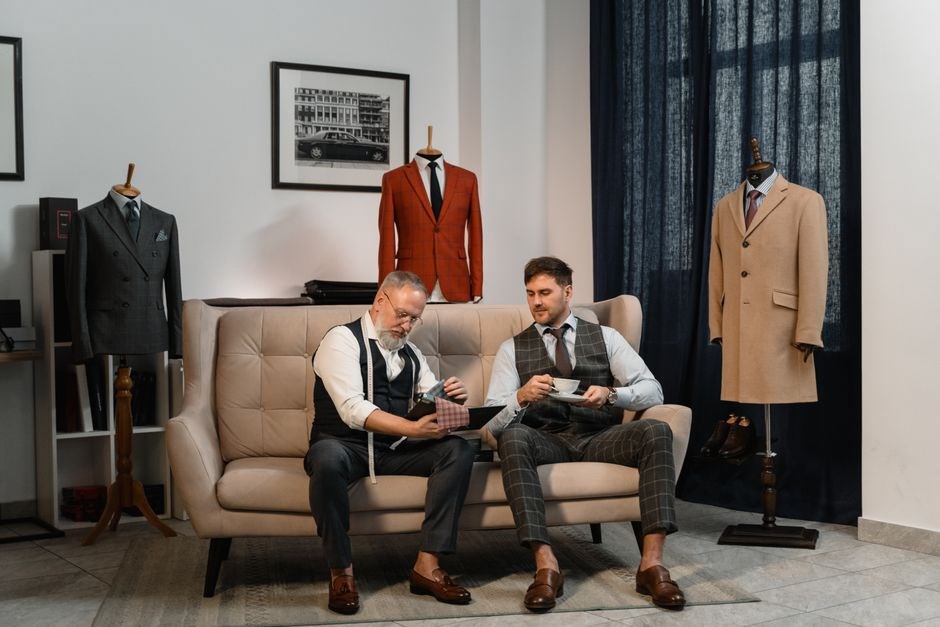
Start with 1‑10 recipes, crafting low‑cost items. From 10‑20, use intermediate patterns for better gear. At 20‑30, focus on advanced tactics: quest rewards, dungeon drops, and efficient resource gathering to maximize XP per hour. Efficiently.
Level 1-10: Starter Recipes
At the start of your tailoring career, focus on low‑level patterns that use only silk and linen, the most abundant materials in early zones. Master the Silk Cloth Bag, Silk Handwraps, Silk Hood, Silk Belt, and Silk Bracers; each requires just silk and linen and provides modest armor or inventory benefits. Crafting these items grants experience, a small profit on the auction house, and a steady supply of gear to survive early quests. Use the Tailoring Trainer in Stormwind or Ironforge to learn the Silk Cloak pattern, which offers a slightly higher armor bonus than the bracers, and unlock the Silk Gloves at level 10 for a stamina boost. While gathering silk and linen, farm mobs that drop both cloths, and supplement your stock by buying bulk silk from vendors in Stormwind for a low cost. Keep an eye on market prices; buying silk and linen when prices dip and selling crafted items when demand rises can accelerate your leveling and build a small profit margin. By consistently crafting starter patterns and efficiently gathering materials, you will accumulate experience, gold, and the necessary resources to progress to higher‑tier tailoring content. Remember that tailoring also benefits from the Tailoring Trainer quests, which grant bonus experience and sometimes rare patterns daily.!
Level 10-20: Intermediate Patterns
At level ten, tailor your focus to patterns that use silk, linen, and the new cindercloth. The Silk Cloak and Silk Gloves remain essential, but start crafting the Silk Belt and Silk Bracers for their higher armor and stamina. Unlock the Silk Cape at level twelve; it grants a moderate armor boost and a small gold profit on the auction house. By fifteen, you can produce the Silk Boots, which add a modest movement speed increase and a minor spell power bonus.
Gathering cindercloth is key; it drops from Gorgrond mobs and Highmaul dungeon enemies. Farm these zones to stock the material. Sell Silk Belt and Silk Bracers for profit, allowing you to buy more raw materials or invest in a Tailoring Bag for extra inventory. Monitor the auction house: buy cindercloth when prices dip and sell crafted items during peak demand to boost gold and experience.
Use the Tailoring Trainer in Stormwind for daily quests that reward rare patterns and bonus experience. Keep your Tailoring Bag stocked with the latest patterns; the Silk Gloves of the Dawn can be crafted at level twenty, offering a significant stamina increase. Additionally, the Silk Cloak provides a bonus to spell critical strike, making it for casters, and the Silk Boots offer a increase to agility, for melee classes, and a gold. By balancing crafting, gathering, and market timing, you will efficiently progress from ten to twenty while maximizing both experience and gold gains and profit!!!
Level 20-30: Advanced Tactics
At level twenty, tailors unlock the Silk Cloak of the Dawn and the Silk Boots of the Storm, both offering stat bonuses that shift balance between DPS and utility. The Silk Belt of the Sun and Silk Bracers of the Moon provide stamina, intellect, and spell power. Crafting requires cindercloth and silk; maintain supply through Gorgrond and Highmaul runs, and complete daily Tailoring Quests in Stormwind and Ironforge for experience and rare patterns. Sell items on the auction house during peak hours for profit. Additionally, the Silk Cloak of the Dawn grants a spell critical strike bonus, and the Silk Boots of the Storm increase agility, making them popular in both PvE and PvP. Crafting these items yields a cindercloth, which can be sold separately. The Silk Cloak of the Dawn also grants a small bonus to spell haste, while the Silk Boots of the Storm provide a modest increase to stamina, making them valuable for both raid and dungeon content. Each crafted item also yields a small amount of cindercloth as a by‑product, which can be sold separately for extra income.
During this level range, the Silk Cloak of the Dawn is profitable for casters, while the Silk Boots of the Storm benefit melee classes. The Silk Belt of the Sun balances stamina and intellect. Focus on high‑demand items, sell during peak market hours, and invest in a Tailoring Bag with large capacity to reduce travel time. Efficient gathering, strategic selling, and targeted crafting help tailors climb from level twenty to thirty while building a solid gold foundation. An eye on auction house trends; items like the Silk Belt of the Sun often see price spikes during raid windows. The Tailoring Bag carries materials, and consider investing in a Tailoring Trainer in Stormwind for quest bonuses that grant additional experience and rare patterns. Additionally, monitor the auction house for fluctuations in Silk Belt of the Sun prices; during raid windows, its value can surge. The Tailoring Bag should be upgraded to the highest tier available to maximize carrying capacity, and consider purchasing a Tailoring Trainer in Stormwind to access daily quest bonuses that grant extra experience and rare patterns.
Gear and Itemization for Tailors
Tailors rely on Tailoring Bags and Silk Thread for crafting. Prioritize cloth armor for DPS, bag slots for inventory, and sell rare patterns for gold. and sell rare patterns for profit.
Essential Tailoring Gear (Tools, Bags)
Tailoring success in Classic Cataclysm hinges on the right equipment. The primary tool is the Tailor’s Satchel, which expands your inventory by 30 slots and includes a built‑in Silk Thread dispenser, allowing you to craft without constantly returning to a vendor. For bag space, the Pattern Pack is indispensable; it holds up to 200 patterns and auto‑sorts them by rarity, saving time during dungeon runs. The Threaded Needle is a lightweight, high‑damage tool that increases the efficiency of your Enchanting recipes, especially when you’re crafting Dreamcloth or Cindercloth items. Additionally, the Arcane Loom is a rare drop that boosts your pattern crafting speed by 15% and reduces the resource cost of each pattern by 10%. Finally, the Silk Thread Bag is a must‑have for any tailors who wish to keep a steady supply of Silk Thread on hand; it holds 500 units and auto‑refills from your inventory when you craft, ensuring you never run out mid‑session. These items boost your tailoring reputation and supply rare materials for elite gear, keeping you ahead in the market.!!!
Best Tailoring Items for DPS Builds
For a DPS‑oriented Tailor in Classic Cataclysm, the focus is on lightweight, high‑damage cloth gear that maximizes spell power and haste. The top tier of tailoring output for DPS includes the Dreamcloth Hood, Dreamcloth Robe, and Dreamcloth Gloves, all of which provide a hefty boost to intellect and spell critical strike. These patterns are unlocked at level 60 and require Dreamcloth and Silk Thread, which can be farmed from the Dreamwalker mobs in the Arak’koa Canyon. The Silk Hood and Silk Robe are also excellent for early DPS builds, offering a solid mix of intellect and stamina while keeping the weight low. For those who prefer a more balanced approach, the Runecloth Hood and Runecloth Robe provide a good mix of intellect, stamina, and spell power, ideal for hybrid DPS classes. Finally, the Pattern: Cindercloth Bag is a must‑have for carrying the large amounts of Cindercloth needed to craft these high‑end items, as it expands your inventory by 200 slots and auto‑sorts patterns for quick access during dungeon runs. These items collectively provide the best synergy between tailoring and DPS performance, ensuring you stay competitive in both PvE and PvP environments. With these items, a Tailor can focus on maximizing spell damage while maintaining agility, ensuring that every crafted piece not only enhances personal stats but also contributes to guild raiding success and market dominance.!!!!!.